Structured Decision-Making Example
Buying the House
the Market Values Differently Than You Do
A DecisionUniversa case study demonstrating why a seemingly simple home-purchase question must be decomposed into separate judgments about personal use, experience, investment, liquidity, taxes, burden, identity, and time.
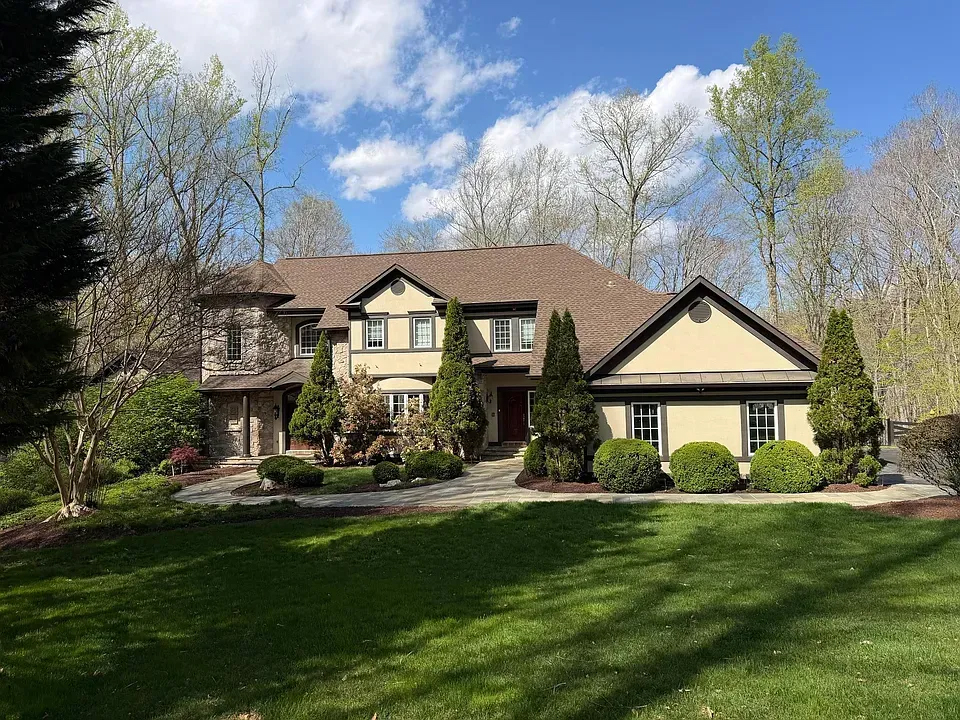
Should I buy this house for $1.6 million?
$1.6M
Distinctive residence in Manassas, Virginia, with nearly eight acres, privacy, and river frontage.
$860K
Nearby comparison sale~8 acres
Land and optionalityRiverfront
Experiential utilityLimited pool
Liquidity riskRefuse the bundled question.
"Worth" is not one variable. It hides multiple decision systems that can point in different directions.
The conventional question
Is this house worth $1.6 million?
DecisionUniversa response:
Define which form of value is being measured before attempting an answer.
Questions hidden inside "worth"
- What will the market pay now and later?
- What would the same physical experience cost to reproduce elsewhere?
- What is the property worth as an investment versus as a place to live?
- What is it worth specifically to this buyer?
- What taxes, maintenance, financing costs, and lost opportunities accompany it?
- How easily can it be sold, and how much does prestige actually matter?
Decompose the decision.
The purchase can be evaluated through at least twelve independent dimensions. Each preserves information that would disappear inside one overall score.
Residential Use Value
Size, layout, construction, privacy, views, comfort, work space, hobbies, modifications, and daily aesthetic pleasure.
Experiential Value
Walking the land, river access, wildlife, silence, outdoor entertaining, gardens, trails, and cumulative lived experience.
Investment Value
Expected appreciation, volatility, buyer demand, geographic price ceilings, and comparison with other capital uses.
Resale & Liquidity
Time to sell, likely discounting, size of the buyer pool, and preference concentration risk.
Replacement-Cost Value
The cost of recreating the same acreage, landscape, privacy, architecture, and riverfront elsewhere.
Tax Value
Property tax, interest treatment, gains treatment, reassessment, estate planning, and recurring transaction effects.
Capital Allocation
Cash tied up, financing cost, forgone returns, flexibility, debt preference, and security.
Maintenance & Burden
Landscaping, trees, roof, HVAC, insurance, storms, driveway, cleaning, security, and contractor oversight.
Location Utility
Commute, family, healthcare, schools, noise, traffic, safety, taxes, nature, and future development.
Social & Signaling Value
Status, identity, recognition, address prestige, and the degree to which those perceptions affect real outcomes.
Optionality Value
Future structures, studios, workshops, recreation, art, events, family uses, and adaptation over time.
Meaning & Identity
A creative base, gathering place, architectural project, collection space, business environment, or legacy asset.
Apply the buyer's actual values.
The same property can be rationally unattractive to one buyer and exceptional to another because the valuation function—not the house— changes.
| Dimension | Conventional Luxury Buyer | Physical-Reality Buyer |
|---|---|---|
| Prestigious address | 10 | 1 |
| Elite school district | 9 | 0 |
| Commute convenience | 8 | 2 |
| Social signaling | 8 | 0 |
| Acreage | 4 | 10 |
| Privacy | 5 | 10 |
| River frontage | 5 | 9 |
| Distinctive architecture | 6 | 9 |
| Freedom to modify | 4 | 9 |
| Natural surroundings | 5 | 10 |
| Resale liquidity | 9 | 5 |
Buy what you value—not what the marginal buyer values.
The market may heavily reward
The individual may heavily reward
Perceptual arbitrage: acquire assets where the market discounts characteristics you value and premiums characteristics you do not.
Use multiple scores before one recommendation.
A single score can conceal the defining fact: the property may be an extraordinary place to live and an unexceptional financial investment at the same time.
Personal Use Value
96Experiential Value
98Financial Investment
62Liquidity
45Tax Efficiency
60Maintenance Burden
38Optionality
92Social Prestige
50Personal Fit
97The answer changes with ownership duration.
1 year
Transaction costs and resale risk dominate. The purchase may be unattractive.
5 years
Use value grows, but liquidity and market risk remain significant.
15 years
Cumulative experiential value may overwhelm transaction costs.
Lifetime
Legacy, aging, maintenance, estate planning, and adaptability become central.
Value per hour of life: distinguish capital committed from capital consumed, then measure the incremental cost of the superior lived experience over time.
Do not let assumptions masquerade as facts.
Facts
- Purchase price
- Square footage
- Acreage
- Taxes
- River frontage
- Historical sales
Forecasts
- Future appreciation
- Maintenance costs
- Development nearby
- Time to resell
Preferences
- Value of privacy
- Value of acreage
- Prestige importance
- Maintenance tolerance
Social Assumptions
- Affluent buyers should prefer McLean
- Luxury requires a prestigious address
- A home must be a strong investment
- Higher-priced locations are inherently better
Trace value to the person who experiences it.
Abstractions do not experience value.
A ZIP code does not experience prestige. A school district does not experience satisfaction. A house does not enjoy its own river frontage.
But perceptions can create real consequences.
Social beliefs can affect resale, relationships, access, identity, and outcomes. DecisionUniversa asks who experiences those effects, how, and how much they matter.
Should I commit this amount of capital, incur these transaction costs, taxes, maintenance obligations, opportunity costs, liquidity constraints, and geographic resale risks in exchange for this particular combination of residential utility, acreage, privacy, architecture, river frontage, natural surroundings, experiential quality, optionality, and personal meaning over my expected period of ownership—compared with all realistic alternatives and according to my actual values rather than the preferences of the marginal market buyer?
Unbundling can reverse the apparent conclusion.
One apparent choice becomes many distinct decisions with different evidence, risks, and outcomes.
Personalized analysis can reverse it again.
Market value, social value, investment value, and lived value may rationally diverge.
DecisionUniversa principle: Better decisions do not always begin with better answers. They often begin by decomposing the wrong question into the right questions—and identifying whose values are being used to answer them.